
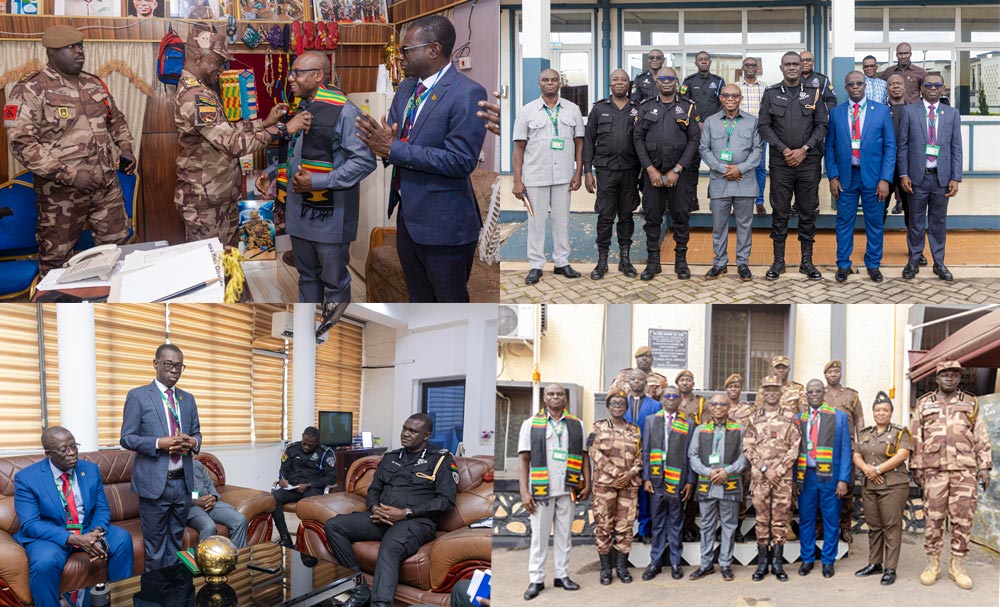
The Vice-Chancellor of the Kwame Nkrumah University of Science and Technology, Kumasi (KNUST), Professor Christian Agyare, has called for stronger collaboration between the University and security agencies in the Ashanti Region to enhance intelligence gathering, crime prevention and rapid response to security threats.
Professor Agyare made the call during visits to security agencies in Kumasi as part of efforts to strengthen institutional relations and express the University's appreciation for their continued support, including their presence at his investiture on Thursday, 13 August 2026.
He said the University was committed to deepening collaboration with the security agencies in areas including security, crime control, training, research and technical support.
"We want to work with you in such a way, especially with intelligence gathering and the response. Whatever support you need from the University, as far as it is within our remit, we will be able to provide that," Professor Agyare said.
He said the University and the security agencies should adopt a proactive approach to security rather than wait for crises before engaging each other.
"We don't need to meet when there is a crisis. We have to be pre-emptive," he said, proposing regular engagements between the University and the security agencies to review security concerns and strengthen coordination.
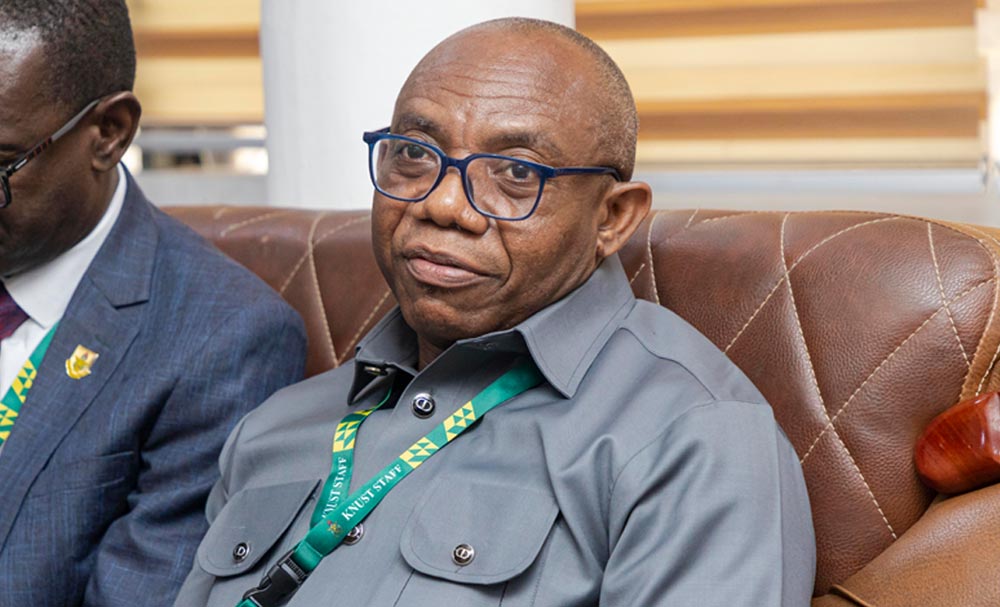
Professor Agyare suggested that the meetings could be held monthly and involve the University's Head of Security and one or two other officials to ensure sustained engagement and coordination.
He said the proposed arrangement would provide a platform for the University and security agencies to identify potential threats early and develop appropriate responses.
The Ashanti Regional Police Commander, COP Arthur Osei-Akoto, said the Vice-Chancellor's visit demonstrated the strong relationship between law enforcement and the academic community.
He said KNUST was not only an institution of higher learning but also a strategic institution that hosted thousands of students and staff, making its protection a shared responsibility.
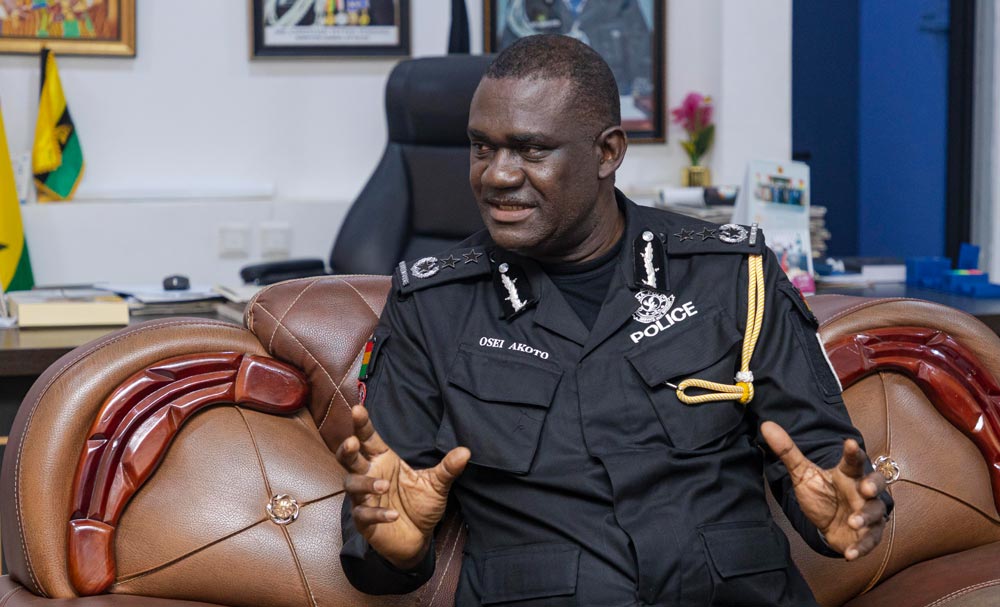
One area he identified for possible collaboration was the deployment of drone technology to support crime prevention and rapid response.
He said drones could assist the police in monitoring areas prone to violent crimes, including carjacking, highway robbery and hit-and-run incidents.
"If we should have technology in the form of a drone and a platform in the region that can feed us, patrol teams can be directed," he said.
COP Osei-Akoto pledged the police's support in developing rapid-response strategies tailored to the University's security needs and called for continuous interaction between KNUST's security personnel and the police.
He said sustained engagement would enable the two institutions to work together to keep the University community safe.
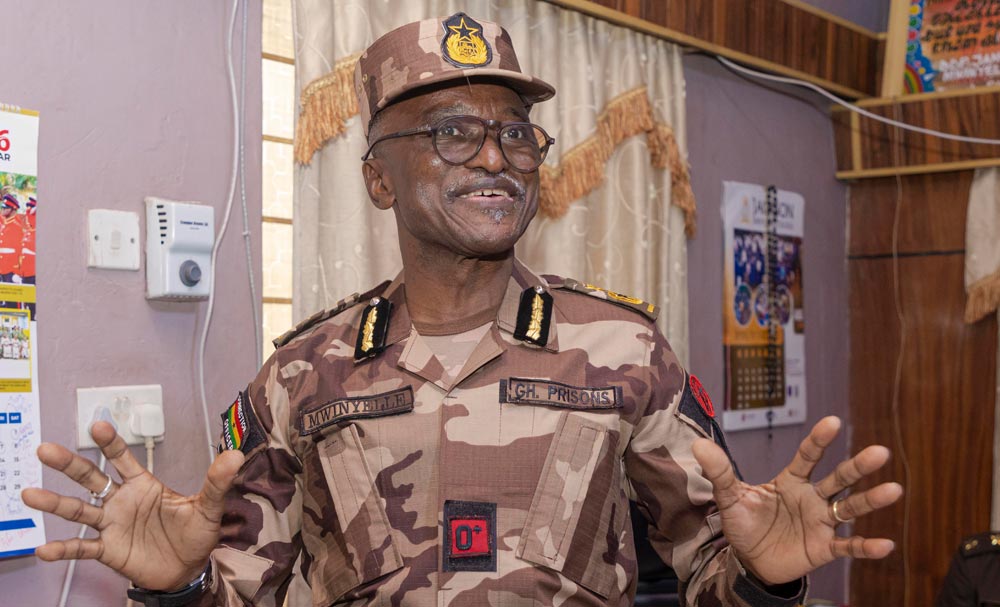
The Ashanti Regional Commander of the Ghana Prisons Service, Deputy Director of Prisons (DDP) James B. Mwinyelle, said the Service had maintained several areas of collaboration with KNUST and expressed interest in deepening the partnership.
He cited training programmes, including short courses supported by the Mastercard Foundation, which he said had benefited officers of the Ghana Prisons Service.
DDP Mwinyelle also proposed renewed outreach programmes for students, staff and other members of the University community to provide education on the work of the Ghana Prisons Service and its role in society.
He said the University's Head of Security would be important in coordinating such engagements and suggested that security personnel working in areas where students are concentrated could also be included in the programmes.
He called for the initiative to be reactivated as part of efforts to improve understanding and cooperation between the University community and security agencies.
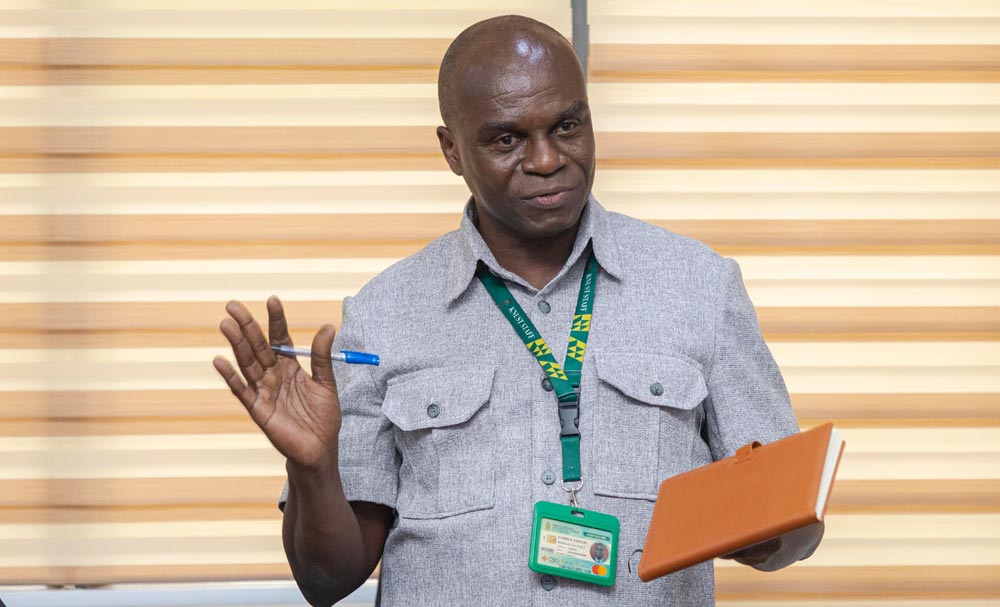
The Head of KNUST Security Services, Lieutenant Colonel Richard Cobba-Eshun, expressed appreciation to the regional security agencies for their continued support to the University.
He said the University's security personnel had maintained regular engagement with the security agencies and were committed to strengthening the relationship.
He welcomed further recommendations and strategies from the security agencies that could improve security at KNUST.
The Vice-Chancellor was accompanied by the Registrar, Mr. Benjamin Boampong Owusu; the Finance Officer, Dr. Charles Nsiah; and the Head of KNUST Security Services, Lieutenant Colonel Richard Cobba-Eshun.
Story and Photos: Emmanuel Offei


